
Post
Why Studio Monitor Speakers Are Preferred by Music Producers and Creators
Jun
Why Studio Monitor Speakers Are Preferred by Music Producers and Creators
Introduction
In the world of music production, audio engineering, podcasting, video creation, and content development, accurate sound reproduction is essential. Whether mixing a chart-topping song, editing a podcast, producing a YouTube video, or designing sound effects for a film, creators need to hear audio exactly as it is recorded. This is where studio monitor speakers become indispensable.
Unlike consumer speakers that often enhance bass, treble, or other frequencies to create a more enjoyable listening experience, studio monitors are specifically designed to deliver a neutral and accurate sound signature. Their goal is not to make music sound better but to reveal every detail, flaw, and nuance within an audio recording.
For decades, professional recording studios, home producers, musicians, audio engineers, and content creators have relied on studio monitors to make critical decisions during recording, mixing, and mastering. Accurate monitoring helps ensure that audio translates well across various playback systems, from smartphones and headphones to car stereos and home theater systems.
This comprehensive guide explores why studio monitor speakers are preferred by music producers and creators, highlighting their benefits, technology, and role in modern audio production.

What Are Studio Monitor Speakers?
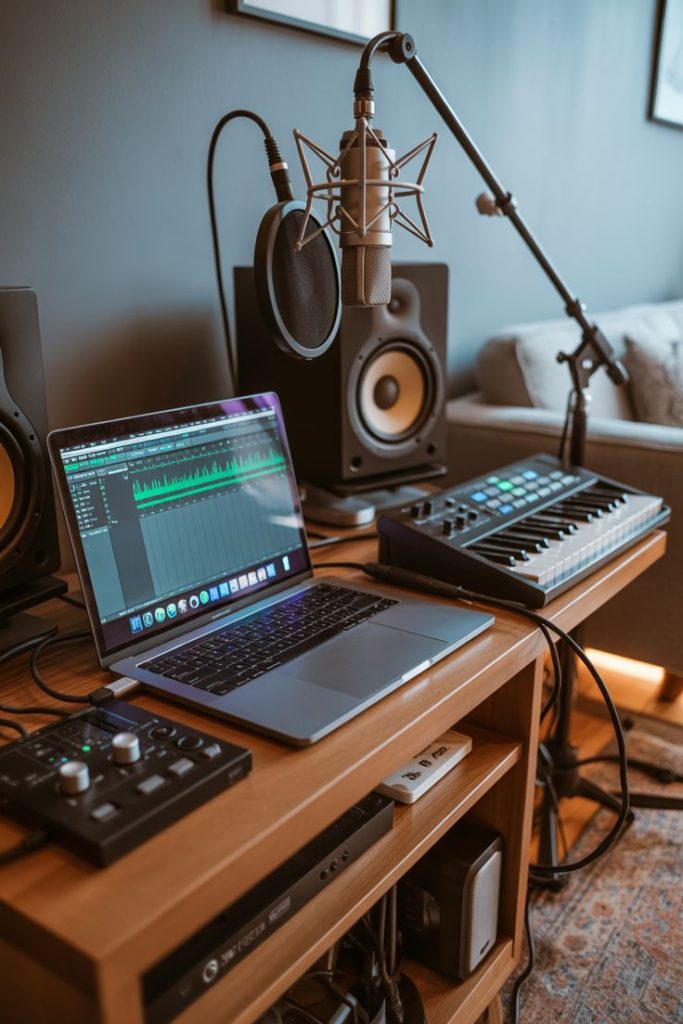
Studio monitor speakers are specialized loudspeakers designed for professional audio production and critical listening applications.
Their primary purpose is to reproduce sound as accurately as possible.
Key Characteristics
- Flat frequency response
- High detail reproduction
- Minimal coloration
- Precise stereo imaging
- Accurate transient response
These characteristics help creators hear recordings exactly as they exist.
The Importance of Accurate Audio Monitoring
Every production decision depends on what the creator hears.
If the monitoring system alters the sound, inaccurate decisions may follow.
Examples of Production Decisions
- Adjusting vocal levels
- Balancing instruments
- Controlling bass frequencies
- Applying equalization
- Managing dynamics
Accurate monitoring ensures these decisions are based on reliable information.
Flat Frequency Response Explained
One of the defining features of studio monitors is a flat frequency response.
What Does Flat Mean?
A flat response means:
- Bass is not artificially boosted
- Midrange remains accurate
- Treble is not exaggerated
The speaker aims to reproduce audio without adding its own character.
Benefits
Honest Sound Reproduction Why Studio Monitor Speakers Are Preferred
Hear recordings accurately.
Better Mixing Decisions
Identify imbalances quickly.
Improved Translation Why Studio Monitor Speakers Are Preferred
Ensure consistency across devices.
Flat frequency response is one of the primary reasons professionals choose studio monitors.
Superior Audio Detail and Clarity
Studio monitors are designed to reveal details that consumer speakers may hide.
Examples Why Studio Monitor Speakers Are Preferred
Background Noise
Detect unwanted sounds.
Recording Imperfections Why Studio Monitor Speakers Are Preferred
Identify issues early.
Subtle Effects
Hear reverb and delay accurately.
Instrument Separation
Distinguish individual elements clearly.
This level of detail is crucial during production.
Accurate Stereo Imaging
Stereo imaging refers to the perceived placement of sounds within a stereo field.
Benefits
Precise Positioning
Place instruments accurately.
Improved Spatial Awareness
Understand audio depth.
Better Mix Balance
Create immersive listening experiences.
Accurate imaging helps producers craft professional-quality recordings.

Enhanced Mixing Accuracy Why Studio Monitor Speakers Are Preferred
Mixing is one of the most important stages of audio production.
Studio monitors provide a reliable reference during this process.
Advantages
Better Frequency Balance
Avoid excessive bass or treble.
Improved Vocal Placement
Maintain clarity.
Accurate Dynamics
Control loudness effectively.
Consistent Results
Create mixes that translate well.
Professional mixing depends heavily on accurate monitoring.
Mastering Benefits
Mastering requires even greater precision.
Small adjustments can significantly affect the final product.
How Studio Monitors Help
Reveal Fine Details
Identify subtle issues.
Improve Tonal Balance
Refine overall sound.
Support Quality Control
Ensure professional results.
Mastering engineers rely on accurate monitors for critical listening.
Improved Audio Translation
Translation refers to how audio sounds across different playback systems.
Why Translation Matters
Listeners may use:
- Smartphones
- Earbuds
- Bluetooth speakers
- Car stereos
- Home theater systems
Studio monitors help ensure audio remains balanced everywhere.
Benefits
Greater Consistency
Maintain quality across devices.
Better Listener Experience
Reduce playback issues.
Professional Results
Meet industry standards.
Strong translation is a major goal of professional production.
Reduced Listening Fatigue
Long production sessions can be demanding.
Poorly designed speakers may cause fatigue over time.
Advantages of Studio Monitors
Balanced Frequency Response
Reduce ear strain.
Controlled Distortion
Maintain clarity.
Accurate Playback
Improve comfort during extended sessions.
Reduced fatigue supports productivity.
Active vs Passive Studio Monitors
Studio monitors generally fall into two categories.
Active Monitors
Contain built-in amplifiers.
Advantages
- Simplified setup
- Optimized performance
- Popular in home studios
Most modern studio monitors are active designs.
Passive Monitors
Require external amplification.
Advantages
- Greater customization
- Flexible system design
Still used in some professional environments.
Nearfield Monitoring
Many producers use nearfield studio monitors.
What Is Nearfield Monitoring?
Speakers are positioned close to the listener.
This reduces room reflections and improves accuracy.
Benefits
Better Detail
Hear more accurately.
Reduced Room Influence
Minimize acoustic problems.
Improved Precision
Enhance production decisions.
Nearfield monitoring is common in modern studios.
How Studio Monitors Differ from Consumer Speakers
Consumer speakers are designed primarily for enjoyment.
Studio monitors are designed for accuracy.
Consumer Speakers
Often feature:
- Enhanced bass
- Boosted treble
- Colored sound profiles
These characteristics create a more exciting listening experience.
Studio Monitors
Focus on:
- Neutral sound
- Accurate reproduction
- Production reliability
This distinction is critical for creators.
Essential for Content Creators
Studio monitors are no longer limited to music production.
Popular Applications
Podcast Production
Improve voice clarity.
Video Editing
Enhance audio accuracy.
Streaming
Monitor sound quality.
Sound Design
Create detailed audio environments.
Content creators increasingly rely on professional monitoring.
Technology Behind Modern Studio Monitors
Today’s monitors incorporate advanced technologies.
Common Innovations
Digital Signal Processing (DSP)
Optimize performance.
Waveguide Designs
Improve dispersion.
Bi-Amplification
Enhance driver control.
Room Correction Features
Adapt to environments.
These technologies continue improving monitoring accuracy.
Choosing the Right Studio Monitor
Several factors should influence purchasing decisions.
Room Size
Select appropriate monitor dimensions.
Frequency Response
Look for balanced performance.
Connectivity Options
Ensure compatibility.
Budget
Match features to requirements.
Careful evaluation leads to better long-term results.
Common Mistakes When Buying Studio Monitors
Avoid these frequent errors:
Choosing Based on Bass Alone
Accuracy is more important.
Ignoring Room Acoustics
The room affects performance.
Selecting Monitors That Are Too Large
Can overwhelm small spaces.
Neglecting Speaker Placement
Proper positioning is essential.
Thoughtful setup maximizes performance.
The Future of Studio Monitoring
Studio monitor technology continues evolving.
Recent trends include:
Advanced DSP Processing
Increase accuracy.
Smart Room Calibration
Simplify optimization.
Wireless Connectivity
Enhance convenience.
Improved Driver Materials
Deliver greater precision.
Future innovations will continue supporting creators.
Long-Term Benefits of Studio Monitor Speakers
Investing in quality studio monitors provides numerous advantages.
Benefits include:
More Accurate Mixes
Improve production quality.
Better Audio Translation
Enhance listener experiences.
Increased Productivity
Make decisions confidently.
Professional Results
Meet industry expectations.
Studio monitors remain one of the most valuable investments for creators.
Conclusion
Studio monitor speakers are preferred by music producers, audio engineers, podcasters, and content creators because they provide the accuracy, clarity, and reliability required for professional audio production. Their flat frequency response, detailed sound reproduction, precise stereo imaging, and superior audio translation allow creators to make informed decisions throughout the recording, mixing, and mastering process.
Unlike consumer speakers that color the sound for entertainment purposes, studio monitors reveal audio exactly as it is, helping producers identify imperfections, balance frequencies, and create content that performs consistently across a wide range of playback systems. Whether building a professional recording studio or a home content creation setup, investing in quality studio monitor speakers is one of the most effective ways to improve audio quality and achieve professional-level results.
