
Post
Home Theater & Surround Sound Systems: Creating a True Cinematic Experience
Jun
Home Theater & Surround Sound Systems: Creating a True Cinematic Experience
Introduction
The way people consume entertainment has changed dramatically over the past decade. Streaming platforms, ultra-high-definition televisions, gaming consoles, and smart home technologies have made it easier than ever to enjoy premium content from the comfort of home. However, while modern displays deliver stunning visuals, the audio experience often falls short without a dedicated home theater and surround sound system.
Sound is responsible for a significant portion of the emotional impact in movies, television shows, concerts, and video games. Explosive action scenes, subtle background effects, immersive environmental sounds, and crystal-clear dialogue all contribute to creating a realistic and engaging experience. A high-quality home theater system transforms ordinary viewing into a cinematic event, bringing the excitement of a commercial movie theater directly into your living room.
Modern home theater systems combine advanced speaker technologies, powerful subwoofers, surround sound processing, and innovative formats such as Dolby Atmos and DTS:X to create multidimensional audio experiences. Whether you’re building a compact entertainment setup for a small apartment or designing a dedicated theater room, the right audio system can dramatically enhance immersion and enjoyment.
This comprehensive guide explores how home theater and surround sound systems create a true cinematic experience while helping consumers understand the essential components, technologies, and benefits of modern home audio solutions.

Why Audio Matters in Home Entertainment
Many people focus primarily on screen size and picture quality when upgrading their entertainment systems.
However, audio plays an equally important role in immersion.
The Role of Sound
Audio helps:
- Create atmosphere
- Deliver dialogue
- Build emotional impact
- Enhance realism
- Guide audience attention
Without quality sound, even the best visuals can feel incomplete.
What Is a Home Theater System?
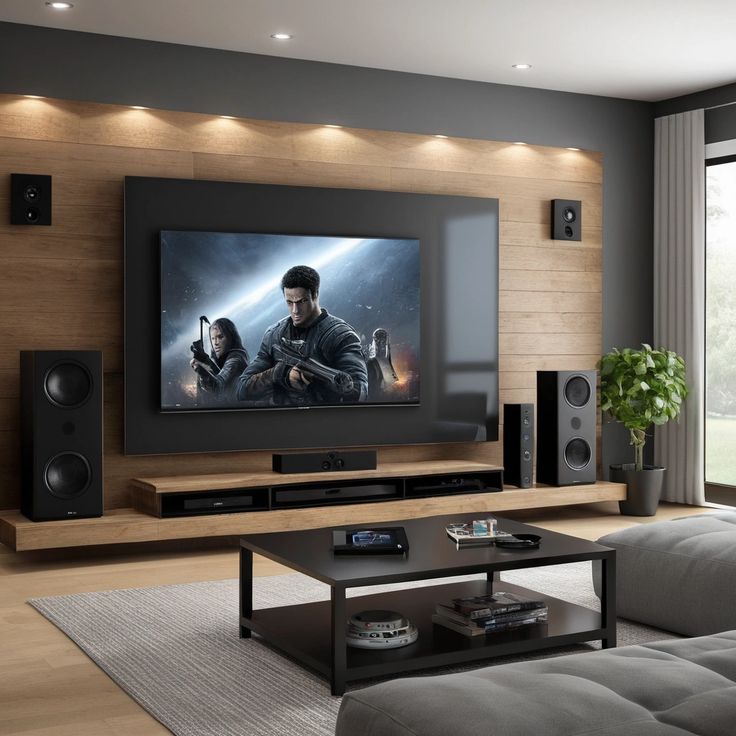
A home theater system is a collection of audio and video components designed to recreate the experience of a commercial cinema.
Typical Components
- Television or projector
- Audio receiver
- Speakers
- Subwoofer
- Media source devices
Together, these components create a comprehensive entertainment environment.
Understanding Surround Sound
Surround sound is a method of reproducing audio using multiple speakers positioned around the listener.
Unlike traditional stereo systems, surround sound creates a more immersive listening environment.
Benefits Home Theater & Surround Sound Systems
Greater Realism
Replicate natural sound movement.
Enhanced Immersion
Feel surrounded by audio.
Better Directionality
Hear where sounds originate.
Cinematic Impact
Increase emotional engagement.
Surround sound is the foundation of modern home theater experiences.
Common Surround Sound Configurations
Home theater systems are categorized using numerical speaker layouts.
2.1 System
Includes:
- Two speakers
- One subwoofer
A simple upgrade over television speakers.
3.1 System
Includes:
- Left speaker
- Center speaker
- Right speaker
- Subwoofer
Improves dialogue clarity.
5.1 System
Includes:
- Front left speaker
- Center speaker
- Front right speaker
- Two surround speakers
- Subwoofer
The most popular surround sound configuration.
7.1 System
Adds:
- Two rear surround speakers
Provides a larger and more immersive sound field.
The Importance of the Center Channel Speaker
The center channel is often the most critical speaker in a home theater.
Benefits
Dialogue Clarity
Improve speech intelligibility.
Screen Anchoring
Keep voices aligned with on-screen action.
Better Movie Experiences
Reduce missed conversations.
A quality center speaker significantly improves viewing enjoyment.
How Subwoofers Enhance the Experience
Subwoofers reproduce low-frequency effects that standard speakers cannot handle effectively.
Benefits
Deep Bass
Feel powerful effects.
Increased Realism
Enhance action sequences.
Greater Emotional Impact
Add intensity to soundtracks.
Improved System Balance
Support overall audio performance.
Subwoofers are essential for cinematic sound.
The Rise of Dolby Atmos
Dolby Atmos represents one of the most significant advancements in home theater audio.
What Is Dolby Atmos?
Dolby Atmos introduces height channels in addition to traditional surround sound.
This allows sound to move in three-dimensional space.
Benefits
Overhead Effects
Hear sound from above.
Greater Immersion
Create realistic environments.
Enhanced Precision
Improve object-based audio placement.
Atmos systems bring home theaters closer to commercial cinema experiences.
DTS:X and Immersive Audio Technologies
DTS:X is another advanced surround sound format.
Advantages
Flexible Speaker Layouts
Support various room configurations.
Object-Based Audio
Place sounds precisely.
Enhanced Realism
Increase immersion.
Many premium home theater systems support both Dolby Atmos and DTS:X.
Choosing the Right Speakers
Speaker selection greatly affects performance.
Floorstanding Speakers
Benefits:
- Powerful output
- Deep bass
- Large soundstage
Ideal for larger rooms.
Bookshelf Speakers
Benefits:
- Compact size
- Flexible placement
- Excellent clarity
Ideal for smaller spaces.
Satellite Speakers
Benefits:
- Minimal footprint
- Easy installation
Common in compact surround systems.
Choosing the right speakers depends on room size and personal preferences.

Room Size and Speaker Selection
Room dimensions significantly influence system design.
Small Rooms
Recommended:
- 2.1 systems
- 3.1 systems
- Compact speakers
Medium Rooms
Recommended:
- 5.1 systems
- Bookshelf or compact tower speakers
Large Rooms
Recommended:
- 7.1 systems
- Dolby Atmos configurations
- Floorstanding speakers
Proper scaling maximizes performance.
The Role of AV Receivers
An AV receiver serves as the control center of a home theater system.
Functions
Audio Processing
Decode surround formats.
Amplification
Power speakers.
Source Switching
Manage connected devices.
Calibration
Optimize system performance.
A quality receiver is essential for achieving the best results.
Gaming and Home Theater Systems
Modern gaming benefits tremendously from surround sound.
Advantages
Better Directional Audio
Identify enemy positions.
Increased Immersion
Feel part of the game world.
Enhanced Realism
Experience detailed environments.
Home theater systems significantly improve gaming experiences.
Music Performance in Home Theater Systems
Many users also enjoy music through their home theater systems.
Benefits
High-Fidelity Playback
Reproduce music accurately.
Strong Bass Response
Enhance low frequencies.
Expansive Soundstage
Create immersive listening experiences.
A quality home theater can double as an excellent music system.
Wireless Home Theater Solutions
Wireless technologies have expanded rapidly.
Benefits
Easier Installation
Reduce cable clutter.
Flexible Placement
Adapt to room layouts.
Simple Expansion
Add components easily.
Wireless systems are becoming increasingly popular.
Smart Home Integration
Modern systems often integrate with smart home platforms.
Features
Voice Control
Operate hands-free.
Mobile App Management
Adjust settings remotely.
Streaming Integration
Access content easily.
Multi-Room Audio
Synchronize entertainment throughout the home.
Smart features improve convenience.
Optimizing Room Acoustics
Even premium equipment benefits from proper acoustic treatment.
Common Improvements
Rugs
Reduce reflections.
Curtains
Control echo.
Acoustic Panels
Improve sound accuracy.
Proper Speaker Placement
Maximize performance.
Room optimization enhances overall audio quality.
Common Home Theater Mistakes
Avoid these common errors:
Prioritizing Visuals Over Audio
Sound is equally important.
Skipping the Subwoofer
Reduce immersion.
Poor Speaker Placement
Compromise performance.
Ignoring Room Acoustics
Limit system potential.
Careful planning improves results.
Future Trends in Home Theater Audio
The industry continues evolving rapidly.
Recent developments include:
Advanced Immersive Audio Formats
Improve realism.
AI-Based Room Calibration
Optimize performance automatically.
Wireless High-Resolution Audio
Enhance convenience.
Expanded Smart Home Integration
Simplify control.
Future innovations will continue improving cinematic experiences.
Long-Term Benefits of a Home Theater System
Investing in a quality home theater provides lasting advantages.
Benefits include:
Enhanced Entertainment
Enjoy movies and shows more deeply.
Better Gaming Experiences
Increase immersion.
Improved Music Playback
Support versatile listening.
Greater Home Value
Create an attractive entertainment space.
A well-designed system offers years of enjoyment.
Conclusion
Home theater and surround sound systems create a true cinematic experience by delivering immersive, high-quality audio that brings movies, television, music, and gaming to life. Through the use of multiple speakers, powerful subwoofers, advanced surround sound processing, and modern technologies such as Dolby Atmos and DTS:X, today’s home audio systems can replicate much of the excitement and realism found in commercial theaters.
Whether building a simple 3.1 setup, a versatile 5.1 surround system, or a premium Dolby Atmos theater room, investing in quality audio equipment significantly enhances every aspect of entertainment. By carefully selecting the right components, optimizing speaker placement, and considering room acoustics, consumers can create an engaging home theater environment that delivers unforgettable cinematic experiences for years to come.
